Plastic Surgery

Buccal Fat Removal

Buccal fat removal surgery, also known as buccal lipectomy, is a cosmetic procedure aimed at reducing the fullness in the lower cheek area by removing the buccal fat pads. These fat pads are located between the facial muscles and contribute to the roundness of the face, often giving a fuller appearance, even in people who are not overweight.

Here’s a breakdown of the procedure:

  • Anatomy and Purpose: Buccal fat pads are naturally occurring pockets of fat situated between the cheekbones and jaw. Some individuals have larger buccal fat pads, which can make their face appear rounder or more full than desired. Buccal fat removal reduces the size of these fat pads to create a more defined facial contour, especially around the midface and jawline.
What are the benefits of Buccal Fat Removal?
  • A leaner facial appearance
  • Reduction in excessive facial fat
  • Improved definition in the cheeks and mid-face
Am I a candidate for surgery?

Before deciding whether to pursue surgery, you must consider if you are a good candidate for surgery:

  • Are good mental and physical health
  • If you have an unwanted “baby face” or rounded appearance as an adult
  • Are a nonsmoker 
  • Have realistic expectations of the outcome
  • Have sufficient skin elasticity
  • Understand the recovery process
  • You’re able to take sufficient recovery time off of work
  • You are a nonsmoker or are willing to stop smoking at least 8 weeks prior to surgery and 8 weeks post surgery

The first step in finding out more about surgery is to schedule a private consultation. In this consultation, you will meet directly with your specialist plastic surgeon. This gives you an opportunity to discuss your concerns and get all of your questions answered.

To book a surgery date you can contact our team after a face to face consultation has been completed. You must wait 7 days from the consultation to book a procedure.  

During your personalised consultation for surgery, your surgeon will ask you about your medical history, as well as any issue of substance abuse, tobacco use, or alcohol use. Furthermore, you will need to bring in all medications and supplements you currently take. Part of the consultation involves a full and accurate medical history. Tell your surgeon about any past surgeries, procedures, and complications you have experienced in your life. He can then make a decision based upon your general health, and whether you are a good candidate for the procedure – most people are.


At the end of your consultation, your surgeon will make recommendations about the best course of action to take for your buccal fat removal to achieve the most attractive result. Every person is different, and the facial structure may need to be altered significantly or just minimally, depending upon what needs to be achieved.

Once you’ve booked your surgery date, a pre surgery appointment will be scheduled 4 weeks prior to your date. This is your chance to meet with your surgeon again, ask any further questions, go over the surgery plan and take some images. This appointment ensures you’re well prepared for the upcoming surgery date.

As this procedure is performed under a local anaesthetic, you’ll need to make your way into the clinic at your scheduled time. You will not need to fast for this surgery.

Once ready, your surgeon will mark out the surgical area. Local anaesthetic will be injected to the area and the procedure will start. the whole procedure takes around 45 minutes to complete.


Following your buccal fat removal, you will need to stay in the clinic for 45 minutes for observation. you will need to organise someone to pick you up from the clinic and stay with you.

Stick to a soft, bland diet for the first few days after your procedure. If you are able to tolerate other foods, you may advance your diet. Depending on the location of your incisions, you must follow any other specific dietary restrictions given to you at the time of discharge.

Promote proper healing and circulation by staying minimally active during the days following your procedure. This reduces the chances of developing complications, such as pneumonia or DVTs—dangerous blood clots in the deep tissues of the body. Don’t over-exert yourself, and don’t lift anything without being cleared to do so by your physician.

You must keep your head elevated when you sleep for a minimum of two weeks after your procedure. This reduces the amount of swelling and promotes proper healing of your incisions. Your face will swell significantly for the first few days after your surgery. If you notice any abnormal or excessive bleeding, elevated temperature, excessive pain, or severe bruising beyond the expectation, contact our team or go to an emergency medical centre immediately. 

The possible risks of buccal fat removal surgery include, but are not limited to:

  • Anesthesia risks
  • Asymmetry
  • Bleeding
  • Deep vein thrombosis, cardiac and pulmonary complications
  • Fluid accumulation (seroma)
  • Hematoma
  • Infection
  • Injury to a salivary duct
  • Injury to branches of the facial nerve, resulting in temporary or permanent facial muscle weakness
  • Numbness or other changes in sensation
  • Persistent pain
  • Poor healing of incisions
  • Possibility of revisional surgery
  • Prolonged swelling
  • Suboptimal aesthetic result and/or minimal changes
Frequently Asked Questions

We regularly get asked about our procedures, so we have put together a couple of questions we get asked on a regular basis. If there is something else you would like to know, please get in touch!

Unfortunately not. This procedure is seen as a cosmetic treatment, therefore health funds and Medicare will not contribute.

In some fortunate people, buccal fat will naturally disappear. 

Your body needs to heal completely before the final results become apparent. The healing process could take up to five months.

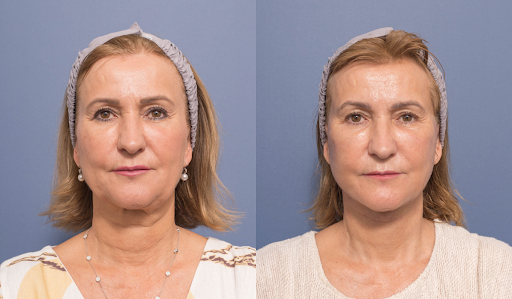
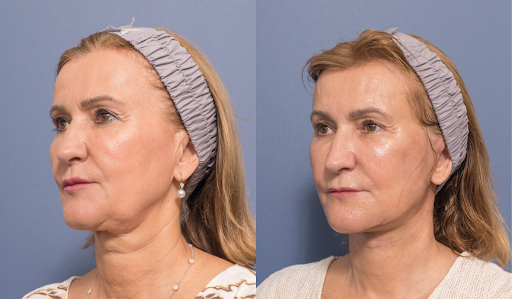
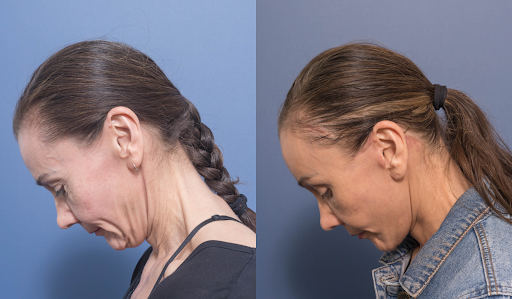
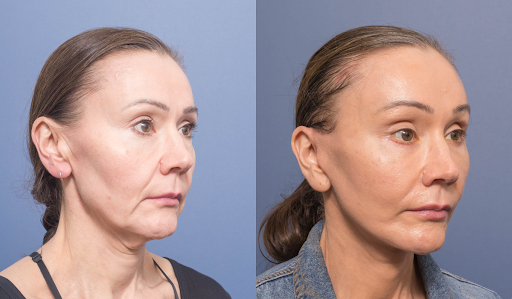
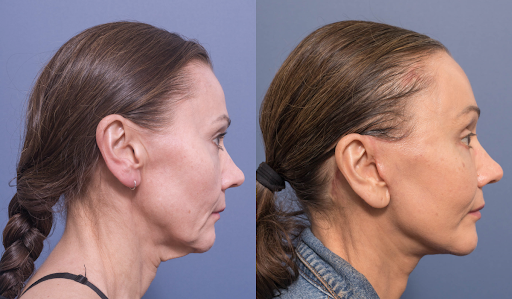
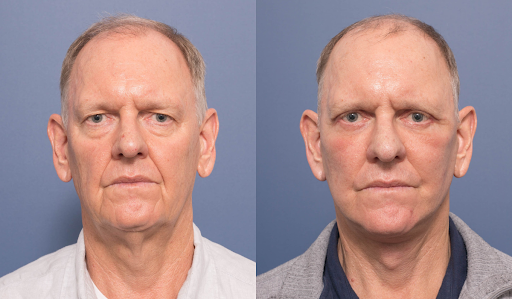
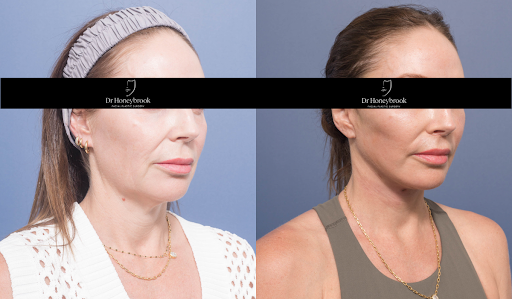
Before & After

Deep Plane Facelift Results

Real Patients,
Real Results