Plastic Surgery
A deep plane facelift is an advanced facial rejuvenation procedure that repositions the underlying muscles and fat pads, rather than just tightening the skin. This allows for natural facelift results that avoid the pulled or artificial look associated with older techniques. Performed by our experienced facelift surgeon in Sydney, this long-lasting facelift technique restores youthful contours in the cheeks, jawline, and neck. At our Double Bay clinic, the deep plane facelift is ideal for patients seeking subtle yet transformative results that stand the test of time.
Despite its numerous positive attributes, the SMAS facelift can rely partially on skin tightening, which can lead to a more unnatural-looking appearance if not performed by a highly skilled facelift surgeon. The reality is that some aging effects occur below the SMAS layer. On the other hand, the deep plane facelift maintains the skin and underlying tissues in alignment by detaching and repositioning the entire system as a single unit.
While the SMAS relies on the tension of the pulled skin and muscle to produce the results, a deep plane facelift puts no such strain on the skin or muscle, instead simply adjusting the positioning of the facial tissue for a more permanent effect. The results of a deep plane facelift are subtler and more natural results.
Before deciding whether to pursue surgery, you must consider if you are a good candidate for surgery:
The decision to undertake any type of elective surgery should be a well thought and long process. We do not recommend rushing into any procedures. Below is a guide on the surgery process
The first step in finding out more about facelift is to schedule a private consultation. In this consultation, you will meet directly with your facial plastic surgeon. This gives you an opportunity to discuss your concerns and get all of your questions answered.
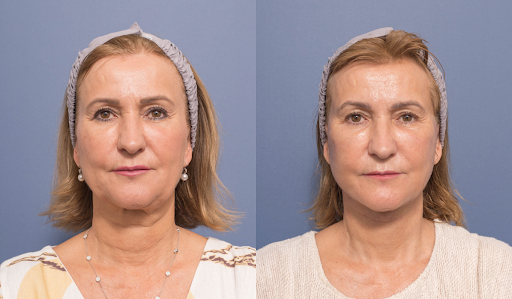
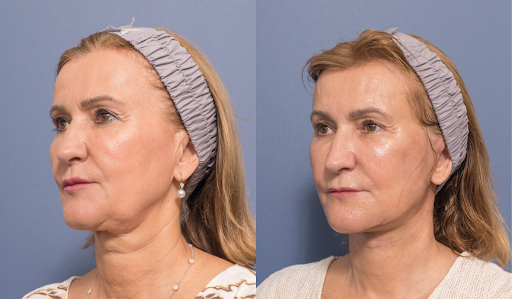
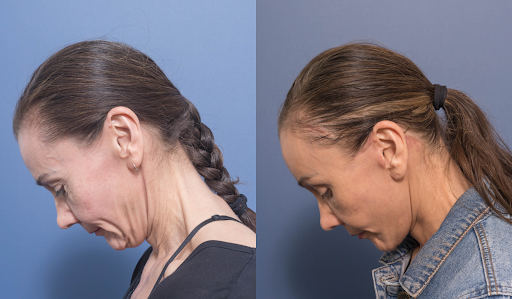
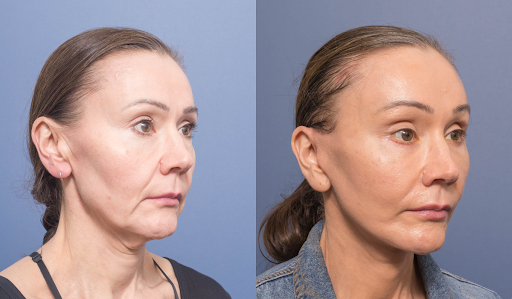
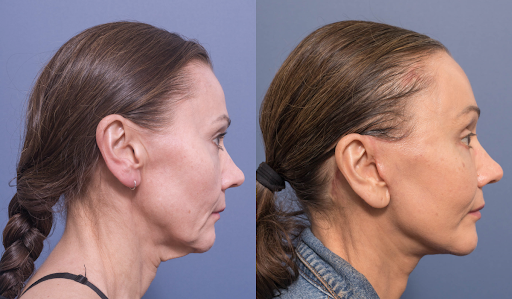
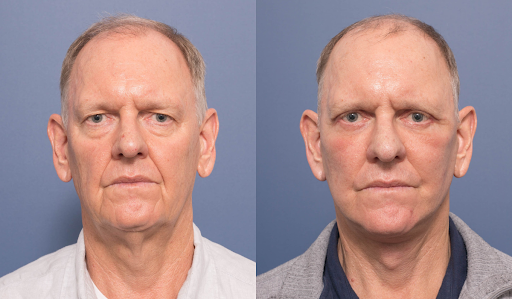
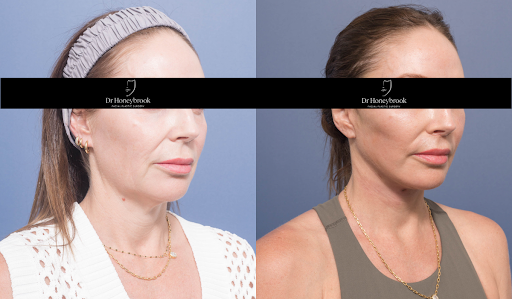
You will have the opportunity to tell the doctor the type of facelift you envision for yourself. At our clinic, we have many photographs to help you through the process, including people with a similar facial structure, so you can see the “before and after.”
During your personalised consultation for a facelift, your surgeon will ask you about your medical history, as well as any issue of substance abuse, tobacco use, or alcohol use. Furthermore, you will need to bring in all medications and supplements you currently take. Part of the consultation involves a full and accurate medical history. Tell your surgeon about any past surgeries, procedures, and complications you have experienced in your life. He can then make a decision based upon your general health, and whether you are a good candidate for the procedure – most people are.
At the end of your consultation, your surgeon will make recommendations about the best course of action to take for your facelift to achieve the a desired result. Every person is different, and the facial structure may need to be altered significantly or just minimally, depending upon what needs to be achieved.
Once you’ve booked your surgery date, a pre surgery appointment will be scheduled 4 weeks prior to your date. This is your chance to meet with your surgeon again, ask any further questions, go over the surgery plan and take some images. This appointment ensures you’re well prepared for the upcoming surgery date.
The night before and morning of surgery – As with all surgeries, you will need to stop eating and drinking fluids for a specific period of time the evening prior to your surgery, most often midnight. In some cases, defined by your surgeon, you may need to take certain medications with a small sip of water, e.g. beta-blockers, cholesterol medications, or other medicines. For the least possible chance of infection, we ask that you shower with an anti-microbial soap the evening before and in the morning of your surgery. This removes and discourages the growth of bacteria on the surface of your skin. Try not to cause too much irritation to the face, while scrubbing.
Don’t wear piercings or jewellery to the hospital. We don’t want them to get lost, and they may have bacteria on them.
Once you arrive at the hospital, all the relevant checks will be taken with nursing staff. You’ll meet your surgeon just before the procedure to ensure you’re feeling ready. When you go into the operating room, you will be administered the appropriate anaesthesia.
The surgery is performed under general anaesthetic, meaning you’ll be completely asleep. Your surgeon will make incisions in discrete areas, to hide the scars. Through these incisions, fat and underlying tissues are sculpted and redistributed to form the desired contours. Muscles and other deep tissues may be lifted, tightened, or otherwise altered. Excess skin is trimmed away to reduce sagging, and then the remaining skin is pulled tight across the new contours of the face.
A less invasive alternative to this traditional facelift technique is the limited incision facelift, wherein the procedure is performed through shorter incisions at the temples, around the ear, and potentially through the lower eyelids or upper lip.
The surgery normally takes around 4-5 hours.
You may be required to stay overnight in hospital.

Following your facelift surgery you will awaken in the recovery room. You may experience pain or nausea; inform the nursing staff, and they will administer medications to relieve the problem.
Stick to a soft, bland diet for the first few days after your procedure. If you are able to tolerate other foods, you may advance your diet. Depending on the location of your incisions, you must follow any other specific dietary restrictions given to you at the time of discharge.
Promote proper healing and circulation by staying minimally active during the days following your procedure. This reduces the chances of developing complications, such as pneumonia or DVTs—dangerous blood clots in the deep tissues of the body. Don’t over-exert yourself, and don’t lift anything without being cleared to do so by your physician.
You must keep your head elevated when you sleep for a minimum of two weeks after your procedure. This reduces the amount of swelling and promotes proper healing of your incisions. Your face will swell significantly for the first few days after your surgery. If you notice any abnormal or excessive bleeding, elevated temperature, excessive pain, or severe bruising beyond the expectation, contact our team or go to an emergency medical centre immediately.
Rhinoplasty surgery is not a perfect procedure and like any surgery, it does carry risks. We want all our patients to make an informed decision about their healthcare and chosen procedures, which is why we are upfront and honest about all aspects of this procedure including risks.
Specific risks and complications associated with facelift surgery include:
Some general risks and complications of surgery may include:
We regularly get asked about our procedures, so we have put together a couple of questions we get asked on a regular basis. If there is something else you would like to know, please get in touch!
Unfortunately not. This procedure is seen as a cosmetic treatment, therefore health funds and Medicare will not contribute.
Certainly not! Facial cosmetic procedures have been successful on individuals up to 80-years-old. Unless you have a dangerous medical condition, you may be a candidate for a facelift. Advances in technology have led to a dramatic decrease in the amount of risk associated with facial plastic surgeries.
For some, the procedure will yield fair results within a few weeks to one month. However, each person will heal differently, and the procedure may require up to six months of time to heal in the expected fashion. Be patient because the surgery will be the hardest part of your decision to improve your appearance.
View our deep plane facelift before and after images below. Please be advised that the results are specific to the patient. Results may vary based on factors such as genetics, diet, and exercise.
Our site requires you to be 18 years or older to enter